|
| Paris Home | Sightseeing |
| Where to Stay | Transportation |
 Save
on car rental with short-term leasing
Save
on car rental with short-term leasing
Save
on car rental with short-term leasing
|
|
Paris Sewers MuseumMusée des égouts de Paris
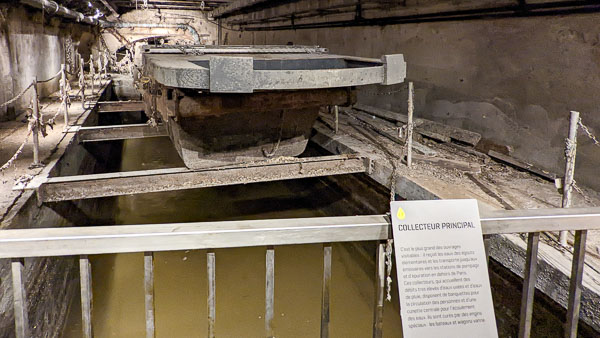
ABOVE: The Musée des égouts de Paris incorporates sections of the original sewer system. Sewers have been draining wastewater in Paris since the beginning of the 13th Century, when the city's streets were paved and drains were built on orders from Philippe Auguste, the king of France from 1180 to 1223. Covered sewers were introduced during the reign of Napoléon Bonaparte, and today's network of more than 2,100 km (1,312 miles) of sewer tunnels was begun in 1850. The sandstone tunnels carry drainwater from the streets, sanitary sewers (now in separate pipes), mains for drinking water and the water used for streetcleaning, telecommunications cables, pneumatic tubes between post offices, and (or so one assumes) the occasional rat. Until recent times, the Paris sewers also carried tourists: initially by carts that were suspended from the walkways along the tunnel walls, later by carriages drawn by a small locomotive, and--until the 1970s--in boats. (I toured an égout in 1966, when municipal workers used chains to haul the wooden boat through a sewer tunnel from the Madeleine to the Place de la Concorde.) Today, the carts and boats are gone, having been replaced by an even better attraction: the Musée des égouts de Paris, or Paris Sewers Museum. This city-owned museum is located in the sewers beneath the Quai d'Orsay on the Left Bank, and it's a "must see" destination for any visitor who's interested in engineering, public works, or unusual tourist attractions.
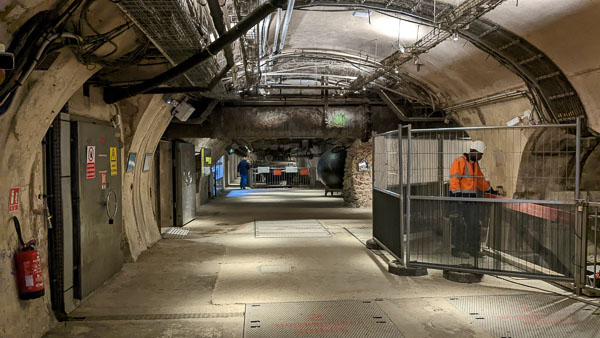
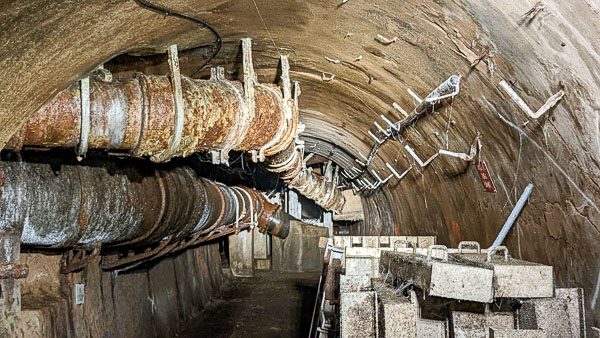
ABOVE: The Musée des égouts de Paris is built in the city's sewers. In this photo, the main gallery is a converted storm sewer, while "black water" or household waste is carried in the enclosed pipes overhead. What you'll see at the Musée des égouts
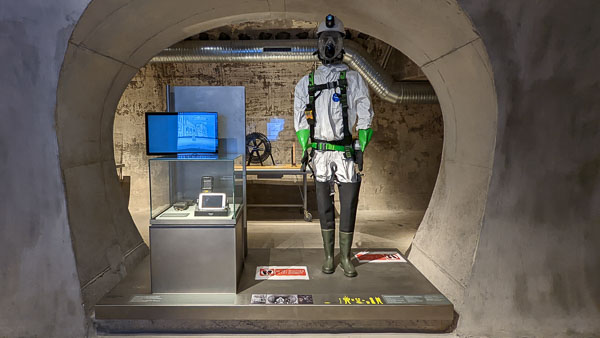
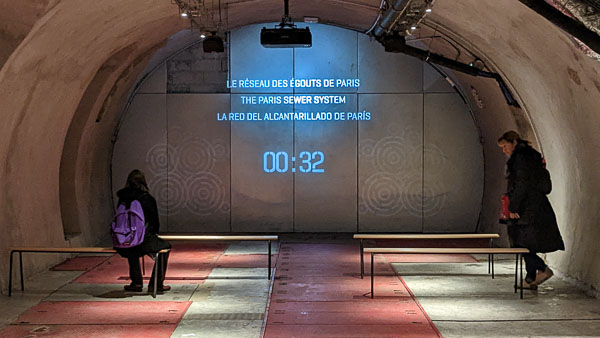
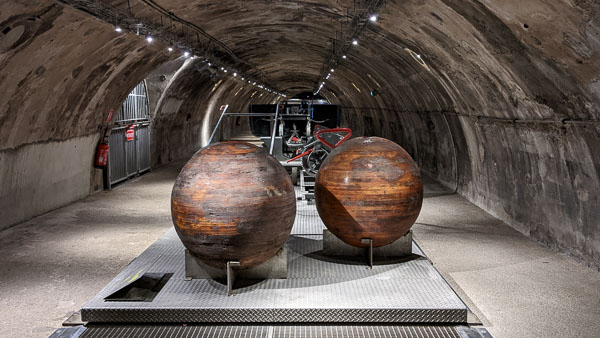
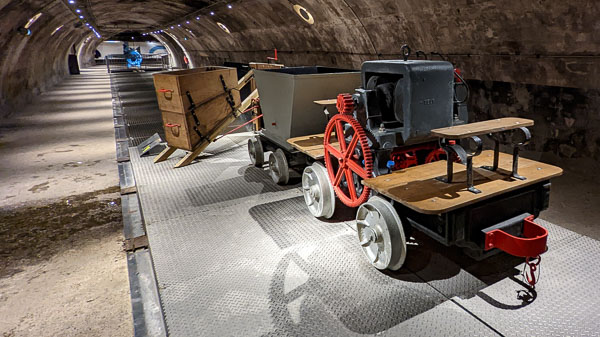
During your visit, you'll view sewer-maintenance equipment from past and present, mannequins of sewer workers in underground gear, huge wooden balls once used to clean sewer tunnels beneath the Seine, fascinating exhibits about the history and design of the Paris sewer network, and rushing drainwater from the streets above. You can also watch a video in the small theatre.
Visitor information
Hours and tickets: The Paris Sewers Museum is open Tuesday to Sunday from 10 a.m. to 5 p.m. (Closed on May 1 and December 25.) Last admission is at 4 p.m. Ticket prices are reasonable, with discounts for various groups and free admission for kids under 18. Tours: Guided tours are free when available. (Most tours are in French, but English tours may be available during high season.) You can easily explore the museum on your own, using the free booklet that you'll be given with your ticket. Free audioguides in English and French are also available, although they may be in short supply during busy periods.
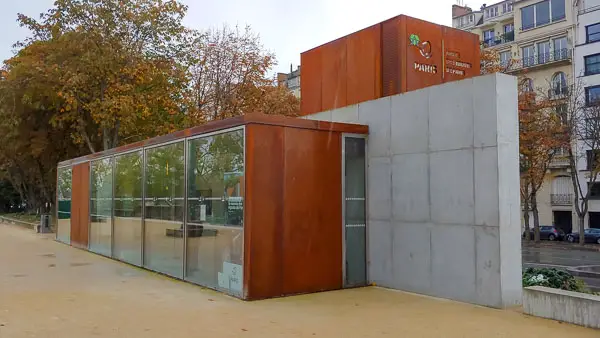
ABOVE: The entrance to the Paris Sewers Museum is on the Right Bank of the Seine near the Pont de l'Alma. Location: The entrance to the Musée des égouts de Paris is at ground level, in the strip of park between the Quai d'Orsay and the Seine. It's just east of the Pont de l'Alma on the Left Bank of the river, in the 7th arrondissement.) Metro: The nearest stop is Alma-Marceau (line 9) on the Right Bank; after leaving the station, cross the river to the Left Bank and turn left at the Quai d'Orsay. RER: The Pont de l'Alma station of RER Line C is very close to the museum. (Line C runs underground along the Seine with stops at St-Michel, the Musée d'Orsay, and Invalides on its way to Pont de l'Alma.) From the station, cross the Place de la Résistance and follow the left side of the Quai d'Orsay to the museum. Bus: Take bus line 63 or 80 to Alma-Marceau. The museum is on the Left Bank, or Eiffel Tower, side of the Pont de l'Alma. (See "Location" above.) Handicapped access: The Paris Sewers Museum now has an elevator, which was installed during a major renovation from 2018 to 2021. Note: Visually impaired guests must be accompanied for safety reasons. For more information: Visit the museum's official Web site and view the floor plan of the exhibits. More photos:
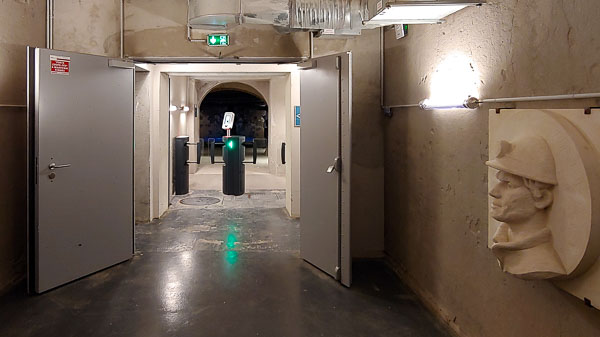
ABOVE: After descending from the surface by stairs or elevator, you'll follow a short tunnel into the sewers and the museum exhibits.
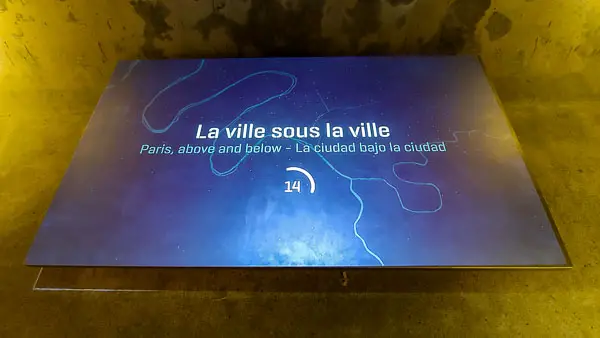
ABOVE: In the transition area between the museum entrance and the sewers, you'll see exhibits such as a sewer worker in protective clothing and an electronic map that shows how the Paris sewer network has grown over time.
ABOVE: Don't miss the video about the Paris sewer system, which is shown in a small theater off the main passage.
ABOVE: Your walk through the Paris Sewers Museum will take you into large sections of sewer with smaller connecting passages.
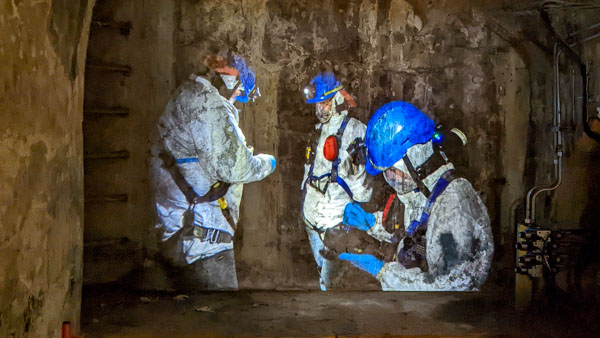
ABOVE: During our visit, we saw real-life égoutiers at work in the sewers, along with some ghostlike projections of other workers on a wall.
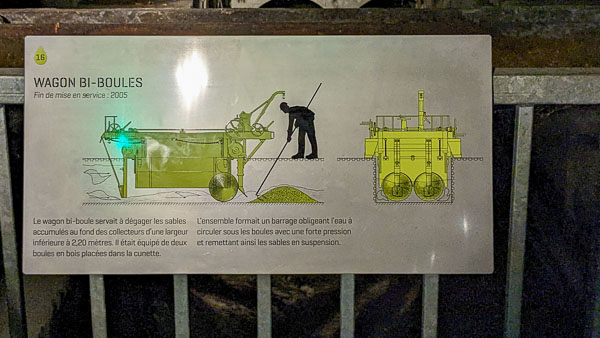
ABOVE: Until fairly recently, large wooden balls were employed to clean out sewer tunnels. (The second photo shows how they were used.)
ABOVE: An exhibit shows equipment for sewer maintenance.
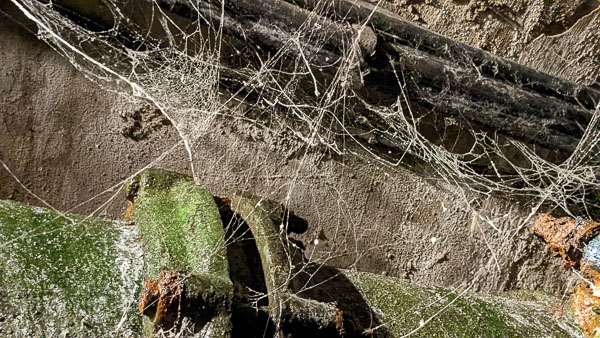
ABOVE: Although the Paris Sewers Museum is mostly spick and span, it does have a handful of sewer pipes with a grungier vibe (including cobwebs).
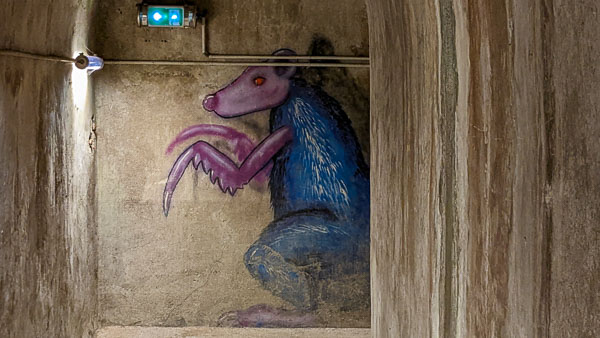
ABOVE: The museum's rat mural may be tongue in cheek, but we did see two rats dashing around in a small side passage.
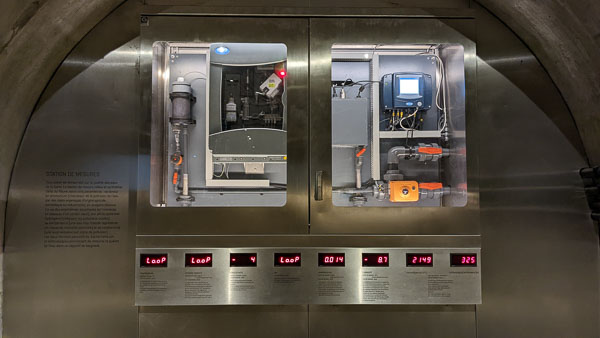
ABOVE: These high-tech instruments on the museum's wall are monitoring water pollution in the Seine.
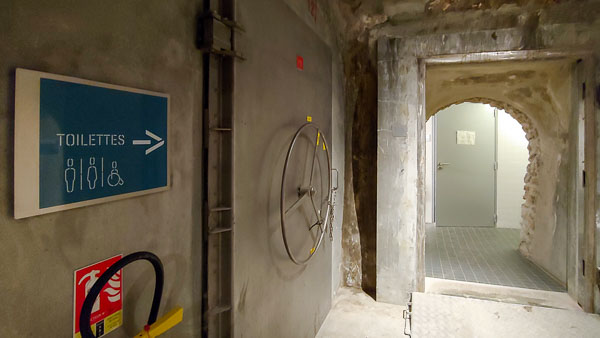
ABOVE: You can make your own contribution to the Paris sewer system by visiting the museum's clean, spacious toilets. An underground souvenir: Paris Secret et Insolite
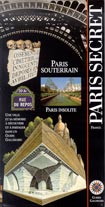
The attractively designed and beautifully printed book is packed with photographs, illustrations, historic paintings, and text on everything from the sewers of Paris to the Mètro and RER to archaeological excavations beneath the city. As far as we can tell, the book is now out of print, but it's still available from Amazon.fr and other secondhand booksellers. Even if you aren't fluent in French, you might enjoy adding it to your home library. About the author:
After 4-1/2 years of covering European travel topics for About.com, Durant and Cheryl Imboden co-founded Europe for Visitors (including Paris for Visitors) in 2001. The site has earned "Best of the Web" honors from Forbes and The Washington Post. For more information, see About our site, press clippings, and reader testimonials.
|
|
|
|

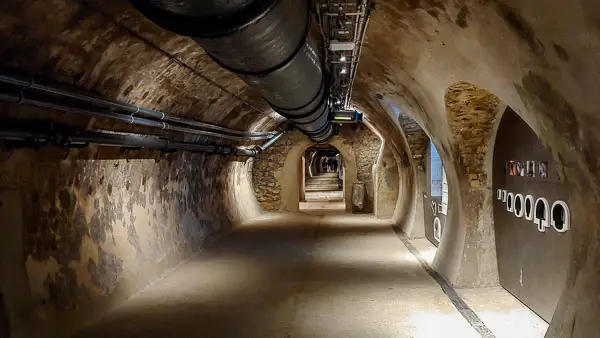
 After
descending the stairs from the aboveground ticket office, you'll enter a long
gallery beneath the Quai d'Orsay that runs parallel to the Seine. Here, you can
see pipes and exhibits in what once was
the main sewer line between the Place de la Concorde and the Pont de l'Alma.
You'll pass a large basin that traps solid material from wastewater (the sewers
recover more than 15,000 cubic meters of grit per year).
After
descending the stairs from the aboveground ticket office, you'll enter a long
gallery beneath the Quai d'Orsay that runs parallel to the Seine. Here, you can
see pipes and exhibits in what once was
the main sewer line between the Place de la Concorde and the Pont de l'Alma.
You'll pass a large basin that traps solid material from wastewater (the sewers
recover more than 15,000 cubic meters of grit per year).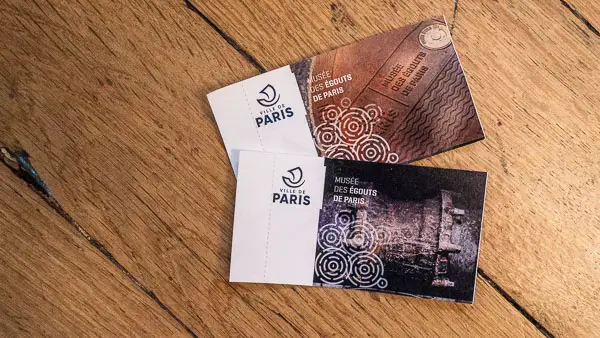
 Durant Imboden